-
장 미셸 바스키아: 과거와 미래를 잇는 상징적 기호들
-
판타스틱 오디너리: 2025 경주 에이펙 정상회담 특별기획전
-
천경우: 더 기프트
-
럭스: 시·적·해·상·도: 럭스 서울 순회전
-
헤더윅 스튜디오: 감성을 빚다: 문화역서울284 협력 전시
-
새 생, 비타 노바: 네스프레소 X 최정화
-
럭스: 현대미술의 새로운 물결
-
불가리 컬러: 불가리 X 한국 현대미술가 7인전
-
아니쉬 카푸어: 베이징 CAFA 미술관 & 자금성
-
9817711: 동북아시아 지역사와 시대정신
-
몸: 생명과 삶의 재봉선
-
자하 하디드 360°: 동대문디자인플라자 (DDP) 개관 기념전
-
이승택: 런던 개인전
-
코리안 아이: 환상적인 일상
-
포지티브 뷰: 윌리엄 왕자 로얄 패트론 전시
-
김아타 온-에어: 베니스 비엔날레 특별전
-
트랜스리얼: 나의 살던 고향
-
로스트 & 파운드: 전통 문화와 미학, 한국 현대미술가 6인의 시각
-
아이러니 & 제스처: 영국 동시대미술전
-
이영희전: 바람, 바램
-
빌리빙 이즈 시잉: 한국 현대 사진전(런던 포토갤러리)
-
굿모닝 미스터 백남준: 런던 한국문화원 설립 개관전
-
제5회 리버풀 비엔날레: 판타지 스튜디오
-
이팅 더 시티: 송동(宋冬)
-
환영합니다!: 최정화전
-
부드러운 힘: 제1회 세계 여성 포럼 특별 기획전
-
거울 나라의 앨리스: 런던 아시아 하우스 한국 작가전
-
익스포즈드: 블랙 박스와 수정 구슬
-
텔테일: 꿈과 기억 이야기
-
서울 언틸 나우!: 코펜하겐 샬롯텐보그 한국 현대미술전
-
인클로즈드: 제3회 런던 한국 필름 페스티벌
-
더 테이스트 오브 더 하우스: 제2회 EGO 해외 한국 대사관저 프로젝트
-
이스트 오브 에덴: 포비든 프루트 인 런던
-
더 스테이트 오브 더 하우스: EGO 주영한국대사관저 프로젝트
-
런던 언더그라운드
-
사일런스 이즈 무브먼트: 불프 헤르조겐라트 초청 한독교류전
-
음音의 정원: 조덕현 (feat. 전진희)
-
자독 벤-데이비드: 블랙 필드
-
신미경: 트랜슬레이션: 고스트 시리즈
-
박제성: 스트럭처 오브 시리즈
-
리차드 우즈: 서울 튜더
-
히라키 사와: 제가 그랬나요?
-
실비 오브레이: 수버니어
-
김나영 & 그레고리 마스: 하와이에는 맥주가 없다
-
아트 온 유어 월: 아트 월페이퍼전
-
홍영인: 도시의 리츄얼: 제스처
-
잭슨 홍: 13개의 공
-
원 아이 파티(PaTI) 파티: 파주타이포그라피학교 기금전
-
아데 다르마완(루앙루파): 홈 시어터
-
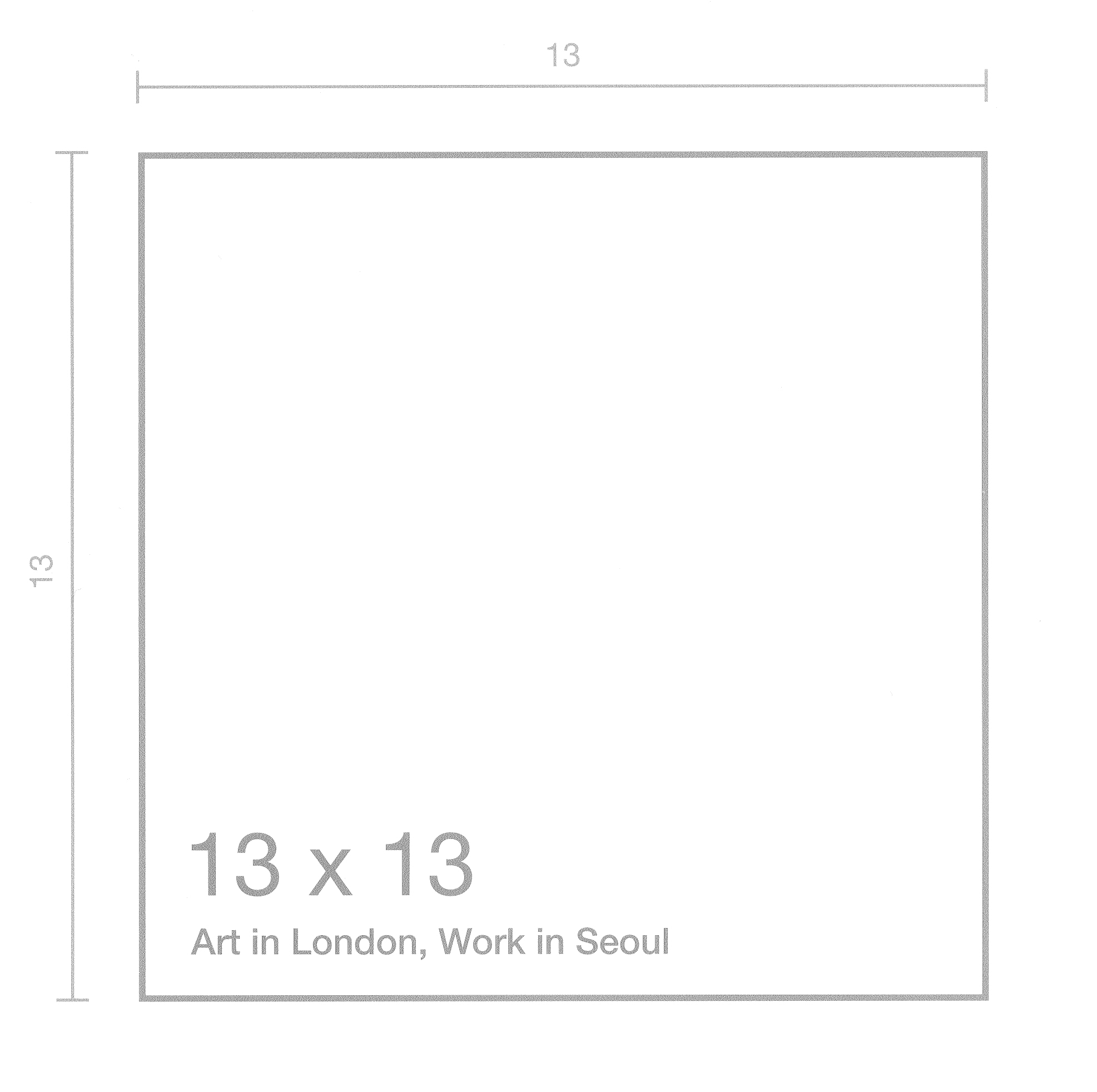
13×13 아트 인 런던: 아트 인 런던 13주기 기념전
-
프로토 라이트: 학제간 연구 기획전
-
파티(PaTI)와 친구들: 파주타이포그라피학교 기금전
-
키스 소니어: 형광룸
13×13 아트 인 런던
아트 인 런던 13주기 기념전
13x13 Art in London
Art in London 13th Anniversary Special Exhibition
2013년에 13기를 맞이한 아트인런던이 13이라는 숫자에 초점을 맞추어 뜻 깊은 전시를 기획하였다. 1기부터 12기까지 참가자 가운데 현재 기성 작가로 활동하고 있는 13명 선배 작가들과 13기 참가자 가운데 24명 후배 작가들의 작품을 묶어 13 x 13이라는 타이틀로 전시를 엮는 것이다. 이번 13 x 13전의 기획, 운영, 홍보, 디자인과 디스플레이 및 진행 일체는 13기에서 선발된 전시기획 팀이 주도했다.
아트인런던은 2001년부터 지금까지 13년간 이화여자대학교 조형예술대학과 숨 아카데미 앤 프로젝트가 함께 개발하고 진행해온 프로그램이다. 2001년, 이화여자대학교 조형예술대학은 조형예술대학 발전 계획의 일환으로 EGO(Ewha Goes Overseas, 해외대사관저 전시회). EMAP(이화 미디어아트 국제전)와 함께 2주간 영국 런던에서 계절학기 수업 프로그램을 추진하였으며, 당시 이를 주도하였던 이화여자대학교 조덕현 교수와 숨 아카데미 앤 프로젝트 대표 이지윤 큐레이터가 만나 아트인런던을 기획한 바 있다. 이화여자대학교 학생들을 대상으로 런던에서 현장 학습을 통해 현대미술/디자인의 흐름과 미술사, 큐레이팅 및 서구 미술시장 전반에 대해 배우는 것을 목표로 진행되어온 이 프로그램은 지난 13년간 약 450여 명의 수강생을 배출하였으며, 이들은 현재 작가로 활동하거나 여러 문화예술기관에서 일하는 등 다양한 분야에서 두각을 나타내고 있다.
아트 인 런던, 워크 인 서울
런던은 전통과 현대의 가치가 절묘하게 어우러져 과거와 현재를 동시에 만날 수 있는 도시이다. 런던은 아주 오래된 삶의 흔적을 그대로 보존하여 고풍스러운 옛 건축물들이 도시의 중심에서 외곽까지 곳곳에 자리하며 영국의 전통적인 미(美)를 보여주고 있다.
옛 건축물을 리모델링하는 경우에도 예전의 모습을 훼손하지 않는 범위 내에서 진행되며, 현대 건축물을 세우는 경우에도 기존 건축물들과 조화를 우선적으로 고려한다. 과거와 현재의 조화를 추구하는 경향은 건축 이외의 부분에서도 두드러지게 나타나는데 예를 들어 런던을 대표하는 박물관 중 하나인 빅토리아 앨버트 박물관에서 2012년 문을 연 Furniture Gallery(가구 전시관)는 가구의 과거와 현재를 한 눈에 볼 수 있도록 하는 독특한 구성을 취하고 있다. 이처럼 런던은 과거의 전통을 무시하거나 파괴하는 것이 아닌, 과거를 바탕으로 현대적으로 재해석하여 현재의 문화를 드러내며, 과거와 현재의 조화를 중시한다.
이렇듯 ‘전통과 혁신’, ‘과거와 현재’가 공존하며 다양성을 추구하는 도시인 런던에서의 경험을 바탕으로 아트인런던도 자체의 과거와 현재, 즉 선배와 후배의 만남에 주목하였다. 이번 전시는 과거 1기부터 13기까지 선배 작가들과 현재 13기 후배 작가들이 만나 소통하고 콜라보레이션함으로써 아트인런던의 과거와 현재의 조화를 이루어냄을 목표로 기획되었다.
또한 이번 13 x 13은 ‘관계의 미학’에 주목한다. 매년 아트인런던이라는 계기를 통하여 만나게 된 사람들의 횡적인 관계, 나아가 13년이라는 전통을 통하여 선후배로 연결되는 종적인 관계는 소중하다. ‘선후배 작가의 컬래버레이션’으로 기획된 이번 전시에서는 선후배가 서로 대화하고 소통한 결과를 각자 표현하거나 공동으로 제작하는 등 다양한 방식으로 진행되었다.
“인생은 홀로 됨과 같이 함을 오가는 나룻배”라는 알베르 카뮈의 말처럼 선후배 작가들이 같이 이루어낸 결과물이면서도 각자의 개성이 드러나는 작품들을 이번 전시에서 만나볼 수 있을 것이다.
이번 전시에는 아트인런던 1기부터 12기까지 참가자들 가운데 이미 작가로 활동하고 있는 13명의 선배들과 올해에 13기로 참여한 31명의 학생들 가운데 출품을 원하는 24명의 후배들이 참여한다. 총 37명의 인원이 작가로 참여하는 13×13은 크게 5개의 팀으로 구성되어 있다. 이번 전시의 메인을 장식하는 것은 37명의 작가들이 ‘13×13인치’의 사이즈로 제작하는 약 200여 점의 작품이다. 이는 각 팀 별로 선배와 후배 작가들이 서로 소통하고, 만나서 함께 작업하는 과정을 거쳐 나온 결과물이다. 이 외에도 팀 별로 공동 제작하는 작품 및 선배 작가들의 개인 작품 등 다양한 주제를 가진 작품을 한 자리에서 음미할 기회가 될 것이다.
‘artinlondon’ has been operated as a collaboration between the College of Art and Design of Ewha Womans University and SUUM Project & Academy since 2001. This two-week program which runs in London every summer, provides a wide range of lectures, site-visits, workshops about Art and culture. As the program is particularly focused on contemporary art and design, the participating students are able to broaden their understanding and knowledge about the subject through courses in art history, management and curating, as well as field studies in London.
To celebrate its 13th anniversary, AIL is holding a special exhibition focusing on the number 13. For this show, 13 senior students who previously participated in the program will collaborate with 24 juniors, all of whom participated in the 13th year of AIL. The exhibition is titled ‘13 x 13’ to indicate the total number of senior artists working with the thirteenth-year participants of the AIL program. The exhibition is curated by the students who took part in the 13th AIL program.
London is a city that constantly harmonises past and present. Inspired by the experiences each student had in London, this exhibition seeks to bring together both the seniors and juniors of AIL, the past and present of ‘artinlondon’ participants. Thus, one could suggest that the show focuses on the ‘Aesthetics of Relationship’. ‘13 x 13’ highlights the ‘relationship’ between people who met through the ‘artinlondon’ program, and in turn it further strengthens this relationship shared amongst all the participants of AIL.
artclub1563
대한민국
이지윤
정상민
이나예
임수영
artclub1563
KOREA
Jiyoon Lee
정상민
이나예
임수영