-
장 미셸 바스키아: 과거와 미래를 잇는 상징적 기호들
-
판타스틱 오디너리: 2025 경주 에이펙 정상회담 특별기획전
-
천경우: 더 기프트
-
럭스: 시·적·해·상·도: 럭스 서울 순회전
-
헤더윅 스튜디오: 감성을 빚다: 문화역서울284 협력 전시
-
새 생, 비타 노바: 네스프레소 X 최정화
-
럭스: 현대미술의 새로운 물결
-
불가리 컬러: 불가리 X 한국 현대미술가 7인전
-
아니쉬 카푸어: 베이징 CAFA 미술관 & 자금성
-
9817711: 동북아시아 지역사와 시대정신
-
몸: 생명과 삶의 재봉선
-
자하 하디드 360°: 동대문디자인플라자 (DDP) 개관 기념전
-
이승택: 런던 개인전
-
코리안 아이: 환상적인 일상
-
포지티브 뷰: 윌리엄 왕자 로얄 패트론 전시
-
김아타 온-에어: 베니스 비엔날레 특별전
-
트랜스리얼: 나의 살던 고향
-
로스트 & 파운드: 전통 문화와 미학, 한국 현대미술가 6인의 시각
-
아이러니 & 제스처: 영국 동시대미술전
-
이영희전: 바람, 바램
-
빌리빙 이즈 시잉: 한국 현대 사진전(런던 포토갤러리)
-
굿모닝 미스터 백남준: 런던 한국문화원 설립 개관전
-
제5회 리버풀 비엔날레: 판타지 스튜디오
-
이팅 더 시티: 송동(宋冬)
-
환영합니다!: 최정화전
-
부드러운 힘: 제1회 세계 여성 포럼 특별 기획전
-
거울 나라의 앨리스: 런던 아시아 하우스 한국 작가전
-
익스포즈드: 블랙 박스와 수정 구슬
-
텔테일: 꿈과 기억 이야기
-
서울 언틸 나우!: 코펜하겐 샬롯텐보그 한국 현대미술전
-
인클로즈드: 제3회 런던 한국 필름 페스티벌
-
더 테이스트 오브 더 하우스: 제2회 EGO 해외 한국 대사관저 프로젝트
-
이스트 오브 에덴: 포비든 프루트 인 런던
-
더 스테이트 오브 더 하우스: EGO 주영한국대사관저 프로젝트
-
런던 언더그라운드
-
사일런스 이즈 무브먼트: 불프 헤르조겐라트 초청 한독교류전
-
음音의 정원: 조덕현 (feat. 전진희)
-
자독 벤-데이비드: 블랙 필드
-
신미경: 트랜슬레이션: 고스트 시리즈
-
박제성: 스트럭처 오브 시리즈
-
리차드 우즈: 서울 튜더
-
히라키 사와: 제가 그랬나요?
-
실비 오브레이: 수버니어
-
김나영 & 그레고리 마스: 하와이에는 맥주가 없다
-
아트 온 유어 월: 아트 월페이퍼전
-
홍영인: 도시의 리츄얼: 제스처
-
잭슨 홍: 13개의 공
-
원 아이 파티(PaTI) 파티: 파주타이포그라피학교 기금전
-
아데 다르마완(루앙루파): 홈 시어터
-
13×13 아트 인 런던: 아트 인 런던 13주기 기념전
-
프로토 라이트: 학제간 연구 기획전
-
파티(PaTI)와 친구들: 파주타이포그라피학교 기금전
-
키스 소니어: 형광룸
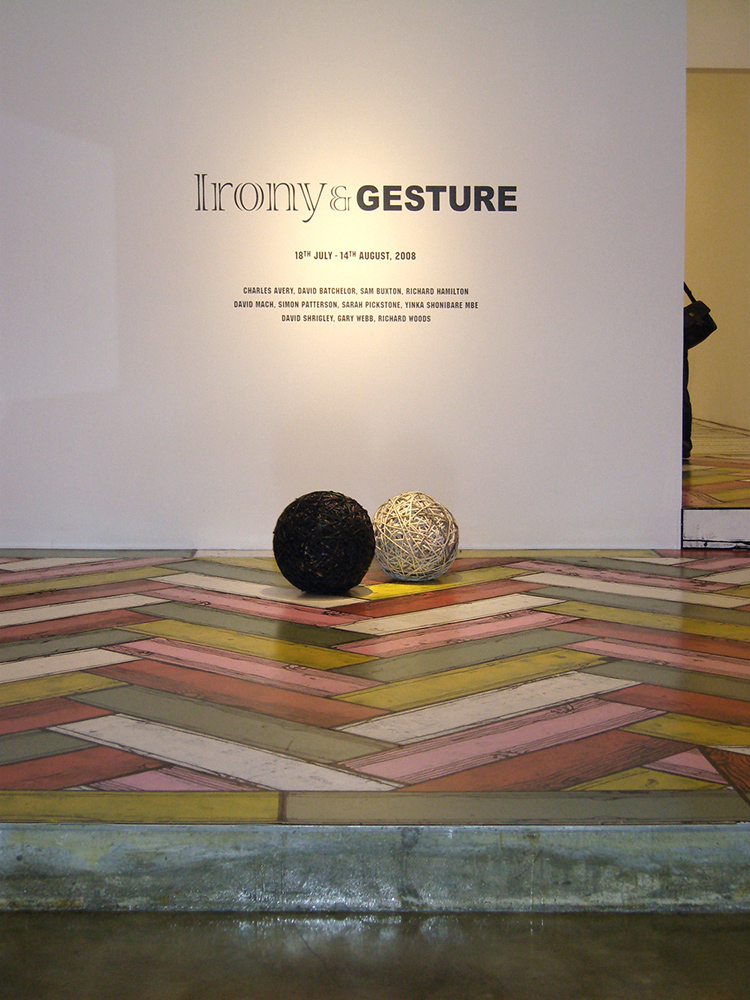
아이러니 & 제스처
영국 동시대미술전
Irony & Gesture
British Contemporary Artists
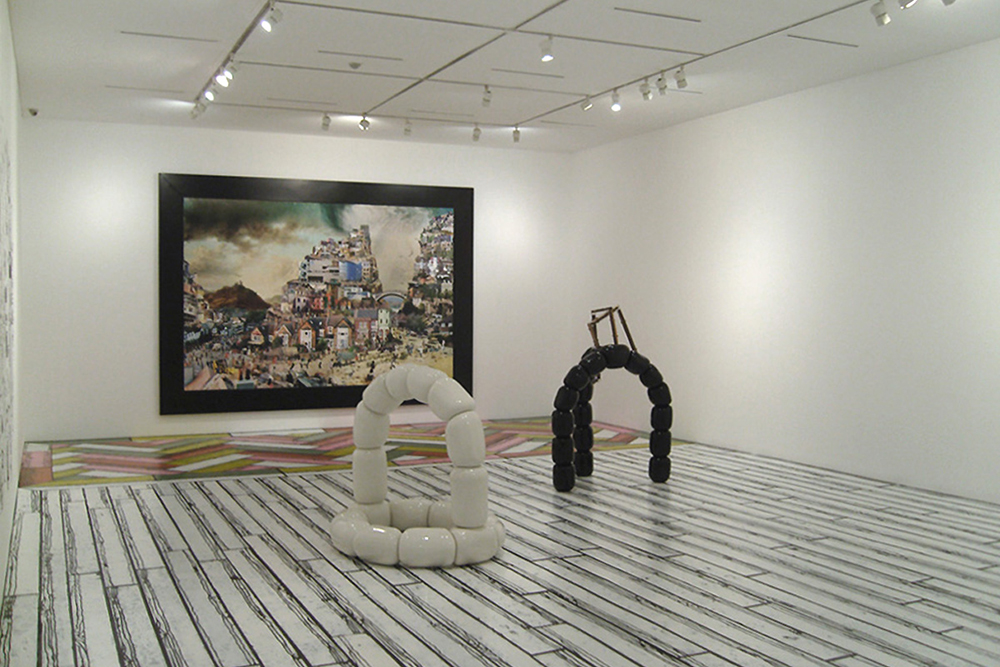
〈아이러니 & 제스츄어〉전은 다양한 문화와 현실들이 글로벌화를 통해 매우 급속도로 변화하고 있는 동시대미술의 중요한 담론 중 하나인 ‘아이러니’에 대한 접근을 주제로 하는 전시이다.
영국의 문학과 대중문화 내에 깊이 내재하는 ‘아이러니’라는 개념은 다양한 해학과 블랙유머에 스며있는, 영국 문화의 가장 도드라지는 개성 중 하나다. 특히 이러한 전통은 셰익스피어 이후 문학적인 문맥에서 본격적으로 시작되었으며 이 ‘아이러니’적 접근을 통해 이성적 사고에 의한 현실과 진실에 대한 표현과 재현의 한계를 넘으려는 다양한 노력들은, 영국 미술전반에 있어 지속적으로 보이는 특징이기도 하다.
이번 전시에 소개되는 11명의 작가들은 세계에 대한 관심과 이해 및 재해석을 끊임없이 탐구한 작업으로 영국뿐 아니라 세계적인 명성을 얻은 바 있다. 선정된 작가들은 영국 팝 아트의 아버지로 불리는 리처드 해밀톤Richard Hamilton, 2006년 터너 프라이즈 수상작가 잉카 쇼니바레Yinka Shonibare, yBa 대표작가 중 한 명인 사이먼 패터슨Simon Patterson 등이다. 사이먼 패터슨은 1988년 골드스미스 미술대학 졸업전시인 ‘프리즈’ 전시에서 데미안 허스트와 함께 소개된 바 있다.
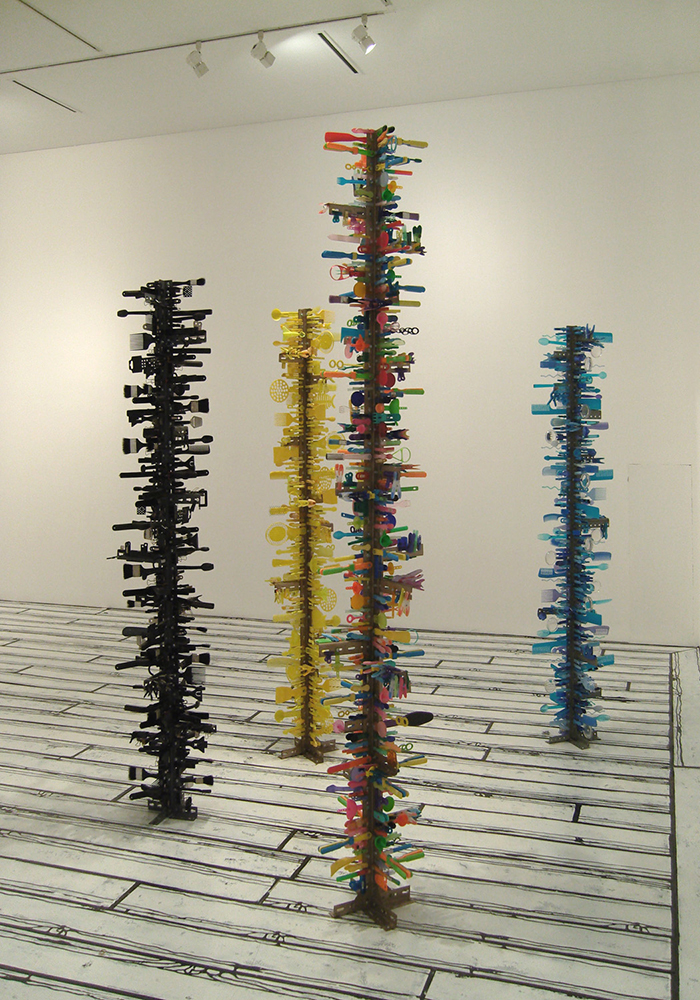
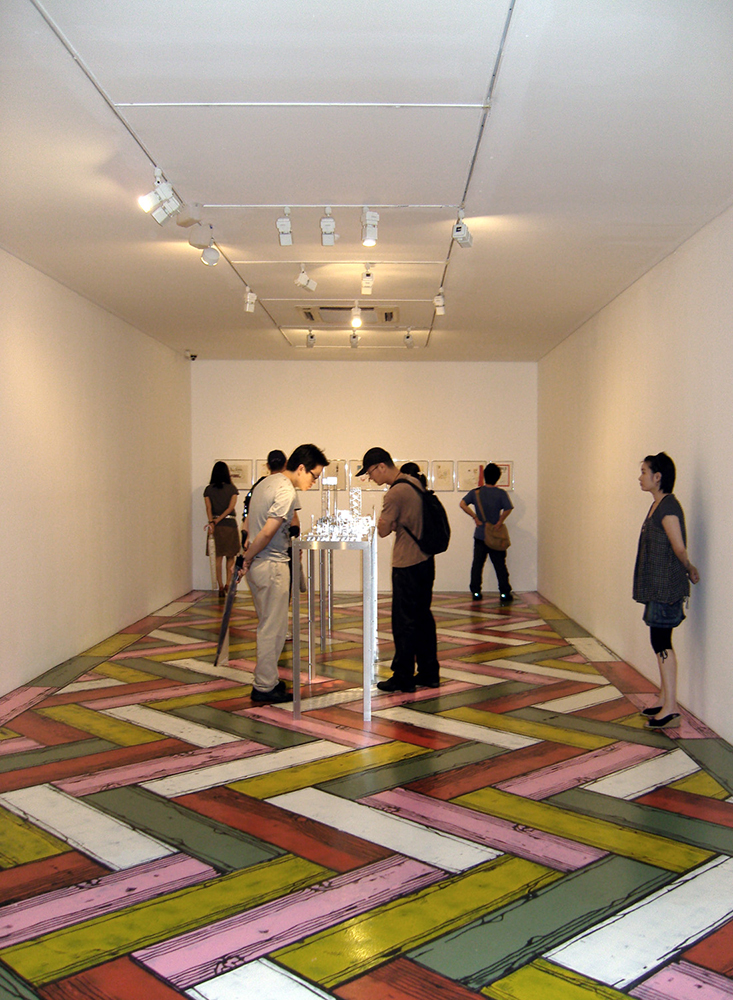
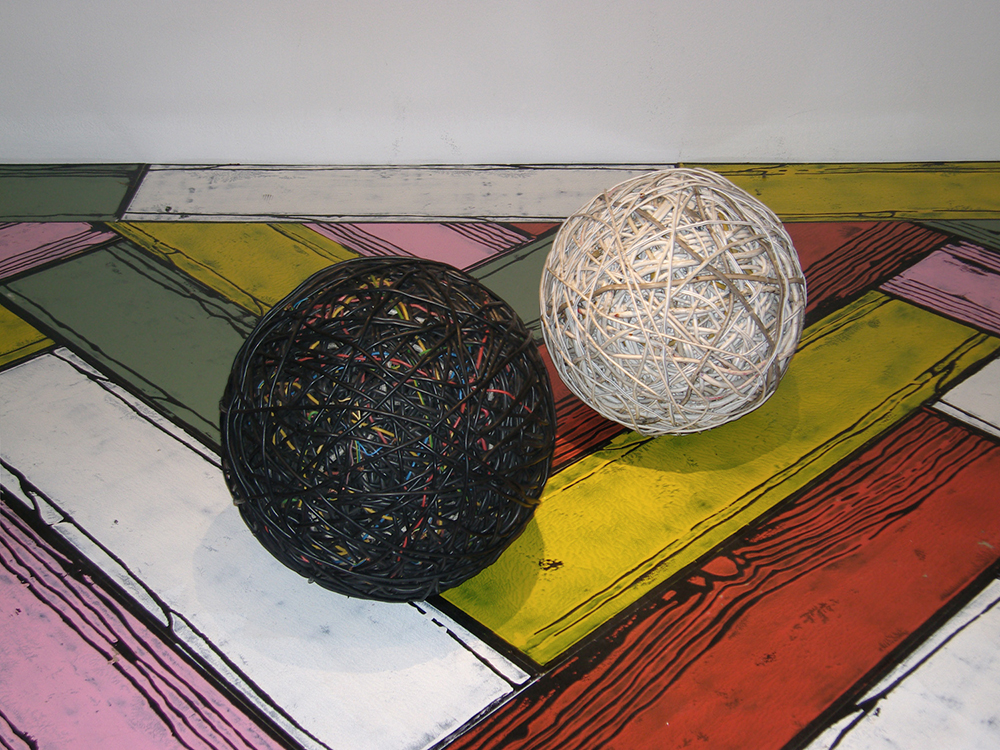
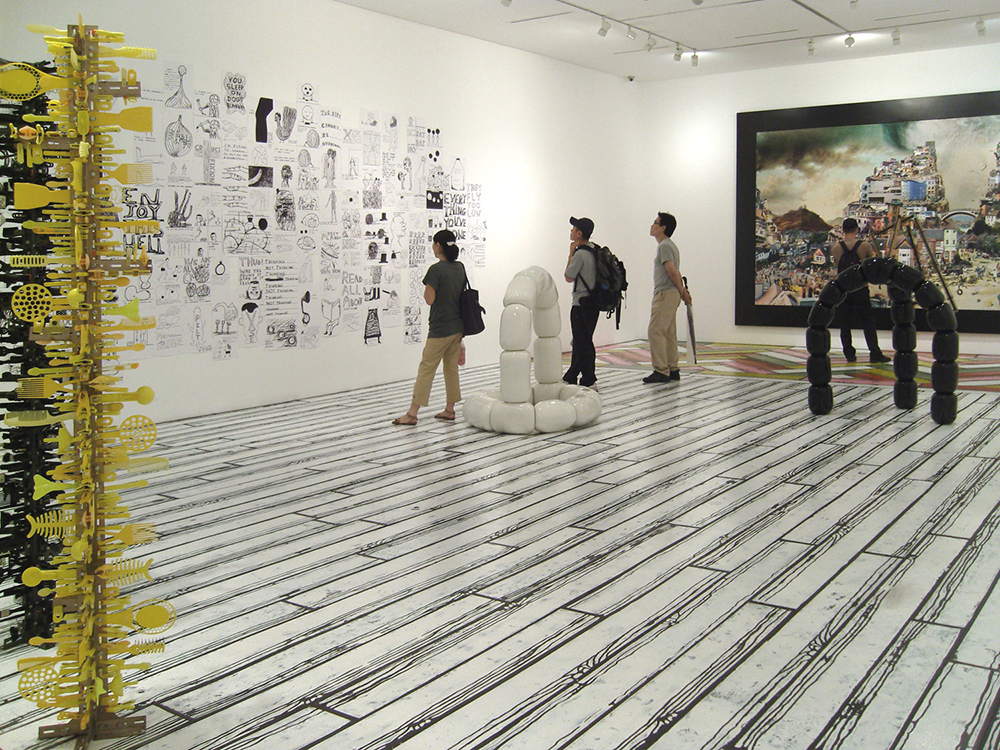
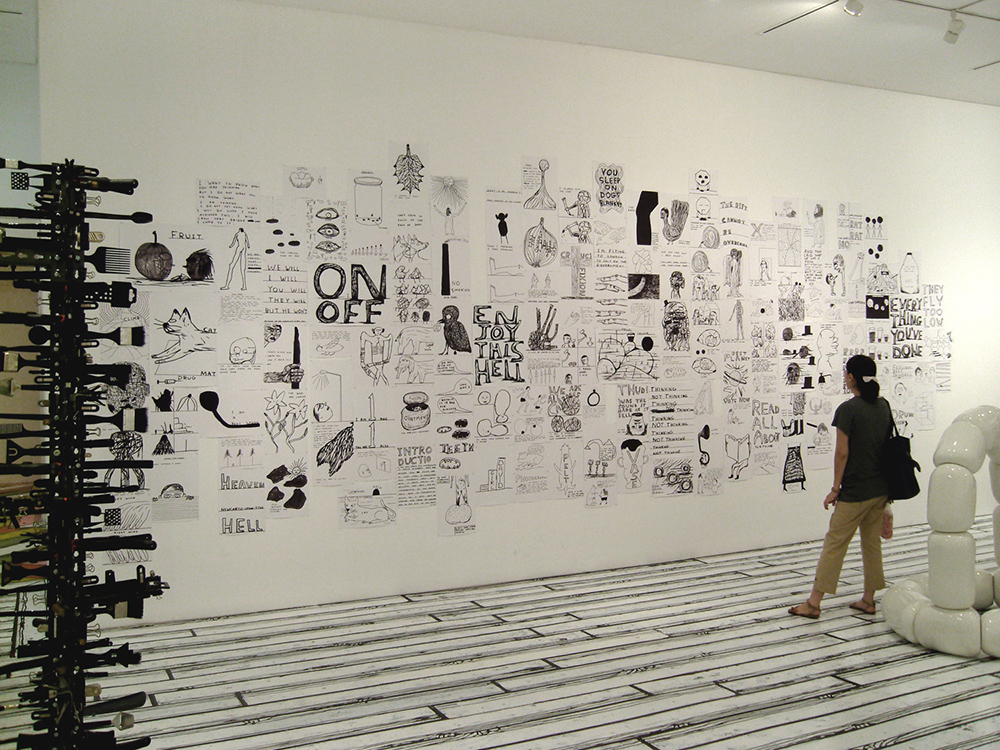
이번 전시는 매우 분주하고 역동적인 공간 연출을 꾀하였다. 관람객들은 화이트 큐브와 같은 진공 공간, 작가 별로 구분된 섹션이라는 전통적 방식을 탈피한 전시 디자인에서 각 작품들이 공명하며 만들어내는 새롭고 다양한 아이러니를 발견할 것이다.
Irony & Gesture curated by jiyoon Lee suggests irony as a visual language by introducing works of eleven artists mainly from Korea and the United Kingdom.
The understanding of irony has its origin in theatre and rhetoric. The earliest uses of the word ‘eironea’ can be found in works by Plato and Aristotle, with later Latin writers such as Cicero and Quintilian also providing definitions for this term. They saw irony as a special case, a decoration within an otherwise simple and literal language of representation.
All of this changed in the nineteenth century when the Romantics insisted that simple and representational world was only possible of the fluid and creative nature of language is ignored. Thus, if one accepts that language is not fixed, but is subject to change and creativity, the gap between word and the world itself, which they saw as irony, was unavoidable. Thus, to the Romantics, the truth of life did not lie in a single fixed, adequate representation, but more in the questioning and understanding the gap, the ironies coming from various representations.
It is ironic to find that visual art, whose gap between representation and the world is the most obvious compared to other art forms, was far behind the times in the exploration of irony compared to literature. This may have been due to dominance of Modern art where artists were searching for their own singular unique representation, or when they were actively searching for the break between their work and the world around them. It seems that it is only in this recent postmodern age where contextual understanding is becoming important that this exploration and understanding gap between representation and truth (or truths) seems to gaining ground in the understanding and practice of visual art.
And the practice of visual art is a multi-dimensional gesture, used to communicate this imperfect representation to those who sees it, and thus also makes them more aware of the gap and the world as they understand it. This maybe one of the reasons why contemporary art that explores and utilizes irony can be so fascinating, as it can trigger many different responses from the viewers.
국제갤러리
대한민국
Kukje Gallery, Seoul
KOREA